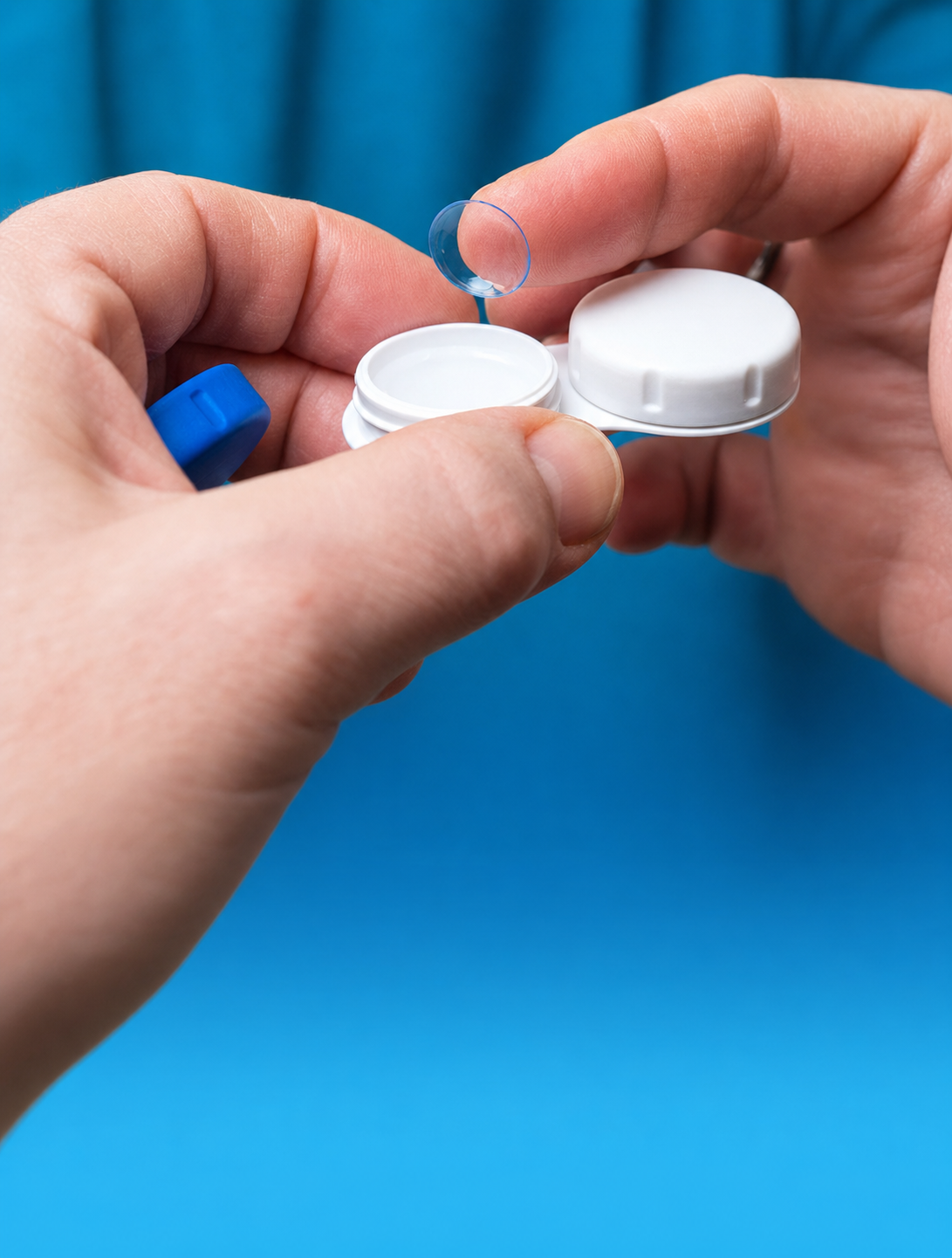
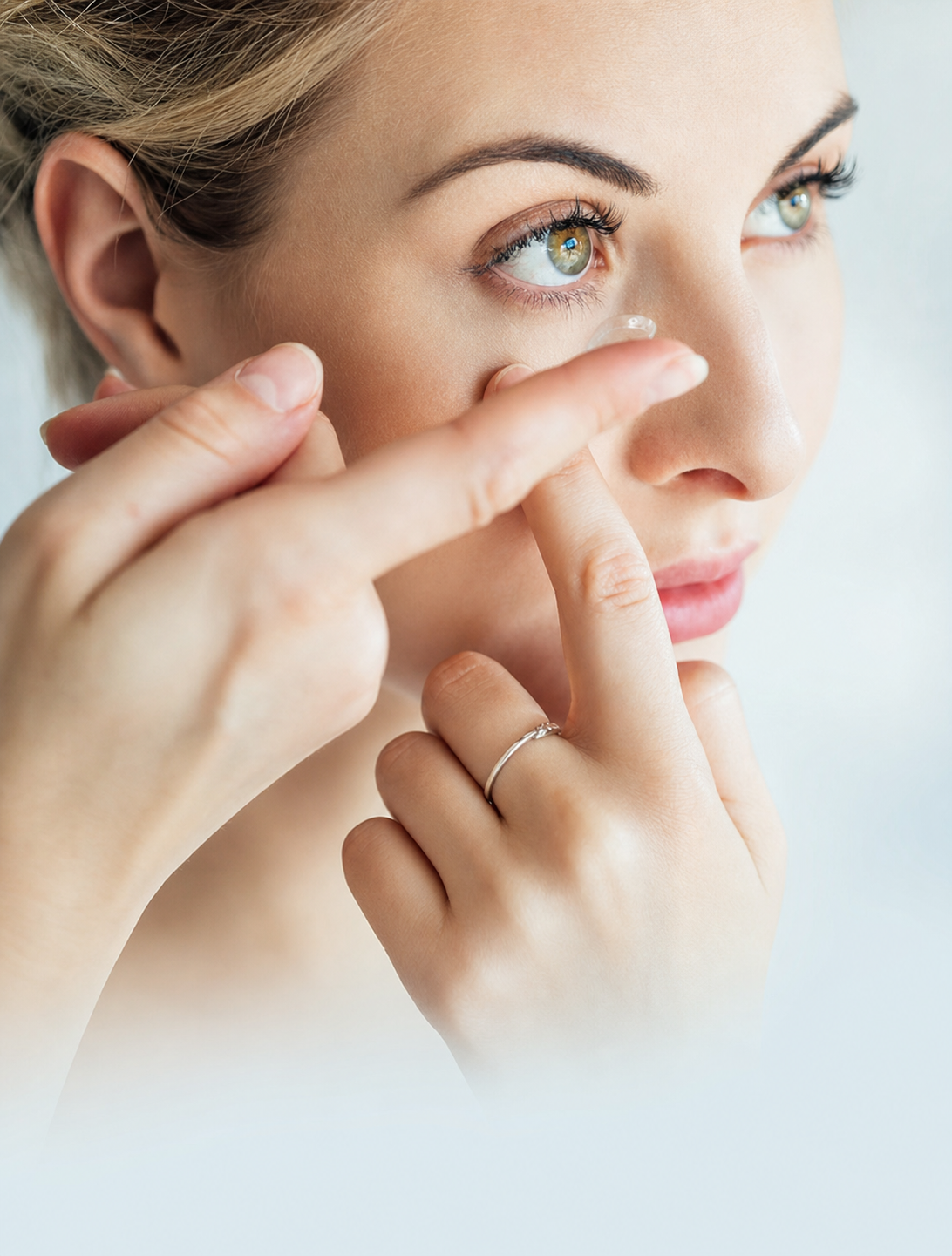
Are Colored Contacts Bad for Your Eyes? Risks, Myths, and Safe Wearing Tips
Aug 07,2026 | EYEVOS
Are Colored Contacts Bad for Your Eyes? Risks, Myths, and Safe Wearing Tips
Last reviewed: August 2026
Short Answer
Colored contacts are not automatically harmful to your eyes, but they can become risky when they are poorly fitted, purchased from unclear sources, worn too long, slept in, shared, exposed to water, damaged, or cleaned incorrectly.
The safest way to wear colored contacts is to treat them as eye-care products, not just beauty accessories. That means getting a proper eye exam, following your eye care professional’s guidance, using fresh contact lens solution, checking each lens before wear, and stopping immediately if your eyes feel painful, red, blurry, or unusually irritated.
In the United States, the FDA states that contact lenses, including decorative and non-corrective colored lenses, are medical devices that require a valid prescription. The CDC additionally emphasizes that all contact lenses need proper care to reduce the risk of eye infections. (fda.gov)
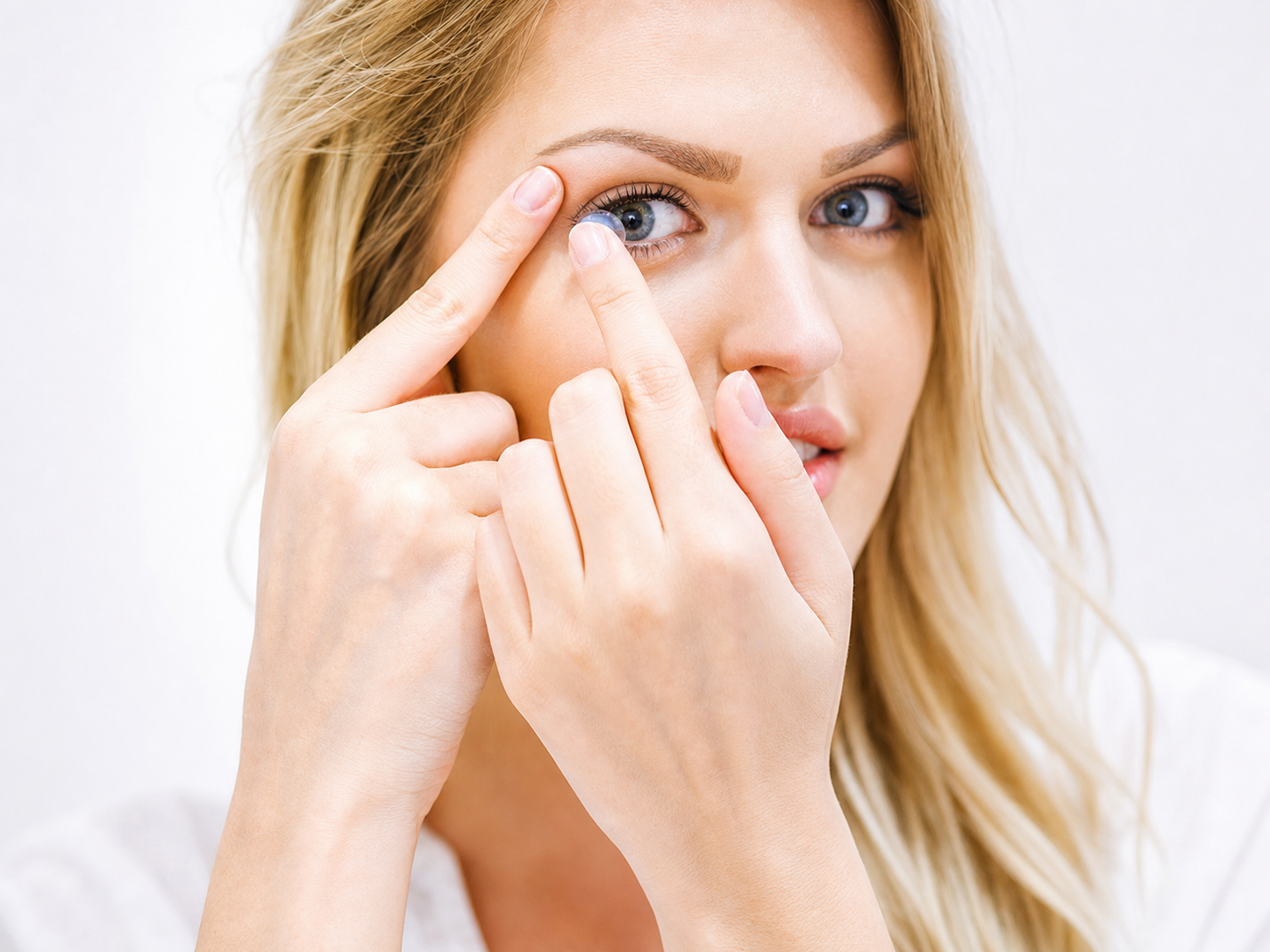
Are Colored Contacts Bad for Your Eyes?
Colored contacts are not inherently harmful to your eyes, but unsafe buying practices, poor fit, overwear, and improper cleaning can make them harmful.
A well-fitted colored contact lens used according to professional instructions may feel comfortable for many wearers. However, the eye is delicate. A lens that is too tight, too loose, damaged, dirty, dried out, or worn for too long can irritate the cornea, reduce comfort, and increase the risk of infection.
The most important distinction is this:
Colored contacts are not ordinary makeup. They sit directly in your eye.
That is why the safety question is not simply, “Are colored contacts bad?” A better question is:
Were they properly prescribed or fitted? Are they from a legitimate source? And are they being worn and cared for correctly?
Why Can Colored Contacts Be Risky?
Colored contacts can be risky because they touch the cornea directly and can affect oxygen flow, tear balance, lens movement, hygiene, and eye surface comfort.
Most problems do not come from color alone. They usually come from one or more of these factors:
- The lens does not fit your eye shape.
- The seller does not provide clear lens information.
- The wearer does not have a valid contact lens prescription.
- The lens is worn longer than recommended.
- The lens is slept in.
- The lens touches water.
- The lens is shared with someone else.
- The lens is torn, cracked, warped, or dirty.
- The wearer ignores pain, redness, or blurry vision.
This matters especially for costume, cosplay, Halloween, anime, doll eyes, or large-diameter lenses, because users may buy them for a one-time look without considering them medical devices.
What Are the Biggest Risks of Colored Contacts?
The biggest risks of colored contacts include corneal scratches, infections, ulcers, dryness, blurry vision, poor oxygen flow, and irritation from damaged or poorly fitted lenses.
Here are the main risks to understand.
1. Corneal Scratches
A poorly fitted, torn, or rough-edged lens can scratch the cornea, the clear front surface of your eye.
Signs may include:
- Sharp pain
- Feeling like something is in your eye
- Tearing
- Redness
- Light sensitivity
- Trouble keeping the eye open
A small tear in a lens may look harmless, but it can create an uneven edge that rubs the eye surface.
2. Eye Infections
Contact lenses can increase the risk of infection if they are not cleaned, stored, or handled properly. The CDC notes that contact lenses are medical devices and that failing to wear, clean, and store them as directed can increase the risk of eye infections, including microbial keratitis. (cdc.gov)
Risky habits include:
- Rinsing lenses with tap water
- Storing lenses in water
- Reusing old solution
- “Topping off” old solution instead of replacing it
- Handling lenses with unwashed hands
- Sleeping in lenses
- Wearing lenses beyond their replacement cycle
3. Corneal Lesions and Keratitis
A corneal ulcer is an open sore on the cornea. Keratitis is inflammation of the cornea, sometimes caused by infection.
These are not minor issues. They can be painful and may threaten vision if left untreated.
Warning signs include:
- Severe pain
- Worsening redness
- Blurred vision
- Discharge
- Swelling
- Light sensitivity
- A white or cloudy spot on the eye
If these symptoms happen, remove the lenses and contact an eye care professional promptly.
4. Oxygen Deprivation and Overwear
Your cornea needs oxygen. Wearing contact lenses for too long, especially if they are not well-fitted or not suitable for your eyes, can make your eyes feel dry, tired, red, or irritated.
Colored and large-diameter lenses may feel less breathable for some wearers, especially after several hours. This does not mean every colored lens is dangerous, but it does mean wear time matters.
If you are new to colored contacts, start with shorter wear times and give your eyes breaks.
5. Blurry Vision or Blocked Vision
Some colored contacts can affect vision if the design, pupil opening, prescription, or fit is not right for your eyes.
You may notice:
- Foggy vision
- Blurry edges
- Halos
- Color or pattern entering your field of view
- Lens movement when blinking
- Difficulty seeing in low light
If a lens affects your vision, do not force yourself to wear it for the sake of the look. Remove it and check whether it is inside out, dirty, dry, damaged, or not suitable for your eye.
Do Colored Contacts Need a Prescription?
Yes. In the United States, colored contacts need a valid prescription, even if they have no vision correction.
This includes plano colored contacts, Halloween contacts, cosplay contacts, circle lenses, and decorative lenses used only to change eye look.
The FDA states that all contact lenses require a current, valid prescription, and decorative lenses are medical devices. A valid prescription should include lens measurements, brand information, and an expiration date. (fda.gov)
This is because “zero power” does not mean “zero risk.” Even non-prescription colored lenses still touch your eye and need to fit your cornea properly.
Are Non-Prescription Colored Contacts Safe?
Non-prescription colored contacts can still require professional fitting and a valid prescription because they sit directly on the eye.
The term “non-prescription” often confuses users. It usually means the lenses do not correct vision. It does not mean they can be safely bought without an eye exam or fitting.
A safer way to think about it is:
- Prescription colored contacts: lenses with vision correction.
- Plano colored contacts: lenses with no vision correction.
- Both: still contact lenses, still medical devices, still need proper fitting and care.
If a website sells colored contact lenses without requiring a prescription when one is legally required, that is a red flag.
Are Cheap Colored Contacts Bad for Your Eyes?
Cheap colored contacts are not automatically bad, but unclear or unregulated listings can be risky. The problem is not price alone — it is a lack of transparency.
Many users are attracted to cheap colored contacts because they want a quick makeup change, a cosplay look, or a Halloween transformation. That desire is understandable. But the eyes are not the place to gamble with unclear product information.
Be careful if a seller does not clearly provide:
- Lens material
- Diameter
- Base curve
- Water content
- Replacement cycle
- Prescription process
- Care instructions
- Safety warnings
- Customer support
- Return or replacement policy for damaged lenses
Also, be careful with listings that say things like:
- “One size fits all”
- “No prescription needed”
- “Safe for everyone”
- “FDA approved” absent clear supporting information
- “Wear as long as you want”
- “Just rinse with water”
The safer question is not “Is it cheap?” but:
Can I clearly understand what I am putting in my eye?
Are Halloween or Cosplay Contacts Safe to Wear Once?
Wearing colored contacts once does not remove the need for proper fitting, hygiene, and safe handling.
A single wear can still cause problems if the lens is damaged, contaminated, poorly fitted, shared, worn too long, or exposed to water.
Halloween and cosplay contacts are often worn during long events with makeup, sweat, dry air, late nights, and less-than-perfect hygiene. That combination can increase the likelihood of irritation.
If you only need colored contacts for photos or a costume event, consider:
- Getting fitted before the event
- Practicing insertion and removal before the day
- Wearing them for a shorter period
- Carrying backup glasses
- Bringing contact-lens-safe rewetting drops
- Removing them before sleeping
- Never sharing them with anyone

Can You Wear a Torn Colored Contact Lens?
No. Do not wear a colored contact lens if it is torn, cracked, chipped, warped, folded, or missing a piece — even if the damage looks small.
A damaged lens can scratch or irritate the cornea. Soaking a torn lens in solution does not repair it or make it safe again.
Before wearing colored contacts, always inspect both lenses under clean light. Do not wear the lens if you notice:
- A small tear
- A slit on the edge
- A crack through the middle
- A missing piece
- A folded or warped shape
- A rough edge
- A lens that will not sit normally in the case
- A lens that feels sharp, painful, or scratchy
If a lens arrives damaged, do not try to “test it” in your eye. Contact customer support for help.
This is one of the most important safety rules:
If the lens looks damaged, it does not belong in your eye.
Why Do Colored Contacts Burn, Hurt, or Make Your Eyes Water?
Burning, sharp pain, heavy watering, or strong discomfort is a sign to remove the lens and check what is wrong. Do not push through eye pain for a makeup look.
Colored contacts may burn or cause pain for several reasons:
|
What You Feel |
Possible Reason |
What to Do |
|
Burning or stinging |
Solution sensitivity, dry lens, debris, or irritation |
Remove the lens. Check it, rinse with proper contact lens solution if appropriate, and do not reinsert if symptoms continue. |
|
Sharp pain |
Torn lens, rough edge, debris, or poor fit |
Remove immediately. Do not wear that lens again if damaged. |
|
Watering |
Irritation, makeup, inside-out lens, or foreign particle |
Remove, inspect, and clean according to instructions. |
|
Foggy or blurry vision |
Deposits, lens movement, wrong prescription, design issue, or dryness |
Remove and inspect. If it continues, ask an eye care professional. |
|
Lens feels stuck |
Dryness or overwear |
Use contact-lens-safe rewetting drops if available. Do not force removal. |
|
Redness after wear |
Irritation, dryness, overwear, or possible infection |
Stop wearing lenses and monitor symptoms. Seek professional care if redness persists. |
Mild awareness can happen when you are new to contacts, but pain is different. If your eye is painful, very red, light-sensitive, swollen, producing discharge, or if your vision changes, stop wearing the lenses and contact an eye care professional.
Can Colored Contacts Get Stuck Behind Your Eye?
A contact lens cannot go behind your eyeball, but it can slide under the upper eyelid.
This is a common fear for beginners. The eye has a natural membrane that prevents the lens from moving backward into the eyeball. However, a lens can move off-center or slide under the upper eyelid.
If this happens:
- Stay calm.
- Wash and dry your hands.
- Look in different directions to locate the lens.
- Use contact-lens-safe rewetting drops if the lens feels dry.
- Gently blink and try to move the lens back into place.
- Do not scrape your eye with fingernails.
- If you cannot remove it, get help from an eye care professional.
Can You Sleep in Colored Contacts?
Do not sleep in colored contacts unless an eye care professional specifically prescribed them for overnight wear.
Sleeping in contact lenses can reduce oxygen to the cornea and increase the risk of infectionn risk. Even if you accidentally fall asleep once, do not panic. Remove the lenses as soon as it is safe to do so. If they feel dry or stuck, use contact-lens-safe rewetting drops and wait before trying again.
After sleeping in lenses, watch for:
- Pain
- Redness
- Light sensitivity
- Blurry vision
- Discharge
- Swelling
If symptoms continue, contact an eye care professional.
Can You Use Water with Colored Contacts?
No. Do not rinse, store, or rewet colored contacts with water.
The FDA advises contact lens wearers not to expose contact lenses to any water, including tap, bottled, distilled, lake, or ocean water. The CDC also advises cleaning lenses with disinfecting contact lens solution, not water or saliva. (fda.gov)
Avoid:
- Tap water
- Bottled water
- Distilled water
- Shower water
- Pool water
- Ocean or lake water
- Saliva
Do not shower or swim in colored contacts. If your lenses come into contact with water, follow your eye care professional’s instructions. When in doubt, do not put the lens back into your eye.
How Long Can You Wear Colored Contacts?
The right wear time depends on your lens type, eye health, fitting, and professional instructions.
Do not assume that because a lens feels comfortable, it is safe to wear indefinitely. Comfort can be misleading. Some users feel fine until their eyes become dry, red, or irritated later.
General safety habits include:
- Follow your eye care professional’s recommended wear schedule.
- Follow the product’s replacement cycle.
- Start with shorter wear times if you are new.
- Remove lenses if your eyes feel dry, painful, or irritated.
- Do not wear lenses past their expiration or replacement period.
- Give your eyes breaks with glasses.
For costume or makeup use, shorter wear is often enough. You do not need to keep lenses in all day if they were only meant to complete a look for photos or an event.
Common Myths About Colored Contacts
Myth 1: “Cosmetic colored contacts do not need a prescription.”
False. In the U.S., decorative and non-corrective contact lenses still require a valid prescription because they are medical devices. (fda.gov)
Myth 2: “One size fits all.”
False. Eyes have different curves, sizes, and fitting needs. A lens that fits one person may not fit another.
Myth 3: “If they feel comfortable, they are definitely safe.”
False. Comfort is important, but it does not replace proper fitting, hygiene, or professional guidance.
Myth 4: “A small tear is okay if I soak the lens in solution.”
False. Solution disinfects; it does not repair torn lens edges. Do not wear damaged lenses.
Myth 5: “Water is fine for rinsing contacts.”
False. Water should not touch contact lenses. Use proper contact lens solution.
Myth 6: “It is okay to share colored contacts.”
False. Sharing lenses can transfer bacteria, viruses, and eye secretions. Never share contact lenses.
Myth 7: “If I only wear them once, they cannot hurt me.”
False. One-time wear can still be risky if the lens is unsafe, damaged, dirty, poorly fitted, or worn incorrectly.
Safe Colored Contact Lens Checklist
Before wearing colored contacts, check the following:
Before Buying
- Have you had an eye exam?
- Do you have a valid contact lens prescription where required?
- Does the seller provide clear lens parameters?
- Is the replacement cycle clear?
- Are care instructions provided?
- Is there customer support if the lens arrives damaged?
- Are safety warnings easy to find?
Before Wearing
- Wash and dry your hands.
- Check the lens for tears, cracks, chips, or warping.
- Make sure the lens is not inside out.
- Use fresh contact lens solution.
- Keep makeup, fibers, and debris away from the lens.
- Do not wear the lens if it looks abnormal.
While Wearing
- Do not ignore pain.
- Do not use water or saliva.
- Do not share lenses.
- Do not sleep in lenses.
- Do not wear lenses longer than recommended.
- Remove lenses if your eyes feel painful, red, dry, or blurry.
After Wearing
- Clean and store reusable lenses as directed.
- Use fresh solution every time.
- Do not top off old solution.
- Keep the lens case clean and dry.
- Replace the case regularly.
- Throw away lenses according to their replacement cycle.
When Should You Stop Wearing Colored Contacts?
Stop wearing colored contacts immediately if your eyes feel painful, very red, unusually watery, light-sensitive, swollen, or blurry.
You should remove the lenses and seek professional advice if you notice:
- Severe or increasing pain
- Strong redness
- Blurred or reduced vision
- Eye discharge
- Swelling
- Light sensitivity
- A lens that feels stuck
- A torn lens in the eye
- A white or cloudy spot on the cornea
- Symptoms that continue after removing the lens
Do not try to diagnose the problem yourself. Contact lens discomfort can come from something simple, like dryness or debris, but it can also signal a more serious issue.
How EYEVOS Approaches Colored Contact Safety
At EYEVOS, we believe colored contacts should feel expressive, beautiful, and wearable — but they should also be treated with care.
That means we encourage wearers to:
- Check every lens before use
- Never wear torn or damaged lenses
- Follow lens care instructions
- Use fresh contact lens solution
- Avoid water exposure
- Respect recommended wear time
- Stop wearing lenses if pain or strong irritation happens
- Contact customer support if a lens arrives damaged or does not look right
Colored contacts are part of a look, but they are also products that touch your eyes. A beautiful eye look should never require pushing through pain.
Final Takeaway
Colored contacts are not automatically bad for your eyes, but they are not risk-free.
They can be worn more responsibly when they are properly fitted, purchased from a legitimate source, handled with clean hands, stored in fresh contact lens solution, kept away from water, replaced on schedule, and removed at the first sign of pain or serious irritation.
The safest mindset is simple:
Enjoy the look, but protect the eye first.
FAQ
Are colored contacts bad for your eyes?
Colored contacts are not automatically bad, but they can harm your eyes if they are poorly fitted, bought without proper information, worn too long, damaged, shared, slept in, or cleaned incorrectly.
Can colored contacts damage your eyes?
Yes, colored contacts can damage your eyes if used improperly. Possible problems include corneal scratches, infections, ulcers, dryness, redness, and blurry vision.
Do colored contacts need a prescription?
Yes. In the U.S., colored contacts require a valid prescription, even if they do not correct vision.
Are non-prescription colored contacts safe?
Non-prescription colored contacts still need proper fitting and safe care. “Non-prescription” usually means no vision correction, not no medical risk.
Are cheap colored contacts safe?
Cheap colored contacts are not automatically unsafe, but unclear sellers, missing lens details, no prescription process, and poor care instructions are red flags.
Can I wear colored contacts only once for Halloween?
Wearing them once does not remove the risk. One-time use can still be unsafe if the lenses are poorly fitted, damaged, dirty, shared, or worn too long.
Can I wear a colored contact lens with a tear?
No. Never wear a contact lens that is torn, cracked, chipped, warped, or damaged. Even a small tear can irritate or scratch your eye.
Why do colored contacts burn my eyes?
Colored contacts may burn because of dryness, debris, solution sensitivity, poor fit, an inside-out lens, a damaged lens, or overwear. Remove the lens if burning continues.
Can colored contacts make your vision blurry?
Yes. Blurry vision can happen if the lens moves, dries out, has deposits, has the wrong prescription, or if the color design blocks part of your vision.
Can I sleep in colored contacts?
Do not sleep in colored contacts unless they were specifically prescribed for overnight wear by an eye care professional.
Can I rinse colored contacts with water?
No. Do not rinse, store, or rewet colored contacts with water. Use proper contact lens solution.
Can I share colored contacts with a friend?
No. Never share colored contacts. Sharing lenses can transfer germs and increase the risk of infection.
What should I do if my eye hurts after wearing colored contacts?
Remove the lenses immediately. If pain, redness, blurry vision, discharge, swelling, or light sensitivity continues, contact an eye care professional.
Learn More
- How to Put In Colored Contacts for Beginners
- The Best Doll Makeup Looks for 2026: 6 Dolly Lenses & How to Wear Them
- Where to Buy Colored Contacts Safely? Are AliExpress and Shein Colored Contacts Worth the Risk?
- What Colored Contacts Should You Wear for Ariana Grande Concert Makeup?
- First Time Wearing Colored Contacts? How to Put Them In Easily and Safety
- Why Do Some Colored Contacts Feel Like Nothing? The Secret to Ultra-Comfortable Lenses
- Can I Wear Colored Contacts All Day? What 8+ Hours Actually Feels Like
- What If You Were Invited to the Wedding of the Century? A Guide to Guest-Worthy Eyes
- Do Colored Contacts Show Up on Dark Eyes? Here's What to Look For
- What Color Contacts Are Best for Brown Eyes? A Guide for Natural and Bold Looks
- Can I Sleep With Colored Contacts? Why You Should Think Twice
- The 2026 EYEVOS Summer Makeup Contest: We Asked 30 Artists What Summer Looks Like —— They Painted the Answer on Their Faces.
- Can I Wear Colored Contacts With Glasses? A Simple Guide for Beginners
- How Long Do Colored Contacts Last? Daily,Monthly,and Yearly Lens Guide
- Why Are My Colored Contacts Blurry? 7 Common Causes and What to Do
- Do Colored Contacts Block Your Vision? What to Expect Before Wearing Them
- Back to School Eye Sets Are Here: Build Your Dolly Eye Look with EYEVOS
- Can You Wear Colored Contacts Over Prescription Contacts? Why You Shouldn't Layer Lenses
References
U.S. Food & Drug Administration. Guidance for Industry, FDA Staff, Eye Care Professionals, and Consumers: Decorative, Non-corrective Contact Lenses.
Centers for Disease Control and Prevention. Healthy Contact Lens Wear and Care: About Contact Lenses.
Centers for Disease Control and Prevention. About Cleaning, Disinfecting, and Storing Contact Lenses.
Centers for Disease Control and Prevention. Preventing Eye Infections When Wearing Contacts.
American Optometric Association. Contact Lens Care.
Disclaimer
This article is for educational purposes only and is not medical advice. It does not diagnose, treat, or replace care from an eye doctor, optometrist, ophthalmologist, or other qualified eye care professional. If you have eye pain, redness, blurred vision, discharge, swelling, light sensitivity, or difficulty removing your contact lenses, stop wearing contact lenses and seek professional care.
Comment