Can I Wear Colored Contacts All Day? What 8+ Hours Actually Feels Like
Jul 03,2026 | EYEVOS
Can I Wear Colored Contacts All Day? What 8+ Hours Actually Feels Like
If you've ever caught yourself looking at your reflection around hour seven, wondering whether the slight dryness in your eyes is normal or a warning sign, you're not alone. "How long can I actually wear my colored contacts?" is one of the most searched questions among first-time and regular wearers alike, and the answers online range from reassuring to genuinely alarming.
The honest answer isn't a single number. It depends on the lens, your eyes, your environment, and—most importantly—how well you listen to what your eyes are telling you. This guide walks you through what eye care professionals actually recommend, what happens hour by hour when you wear colored contacts, and how to build a wear routine that keeps your eyes healthy for years to come.

The Short Answer
For most colored contact lenses, the comfortable wear window is up to 8 hours per day, with 10 hours as a general upper limit for occasional longer days. Wearing colored contacts for longer than the recommended time—especially on consecutive days—increases the risk of dryness, irritation, corneal hypoxia (oxygen deprivation), and long-term eye health issues.
But "up to 8 hours" isn't a rule carved in stone. It's a guideline built around the average wearer's tear film, blink rate, and environmental exposure. Some people comfortably wear their lenses longer; others feel discomfort at hour four. The real skill is learning to read your own eyes.
Why Colored Contacts Have a Shorter Wear Window Than Clear Ones
Colored contacts and clear contacts aren't identical, and it's worth understanding why.
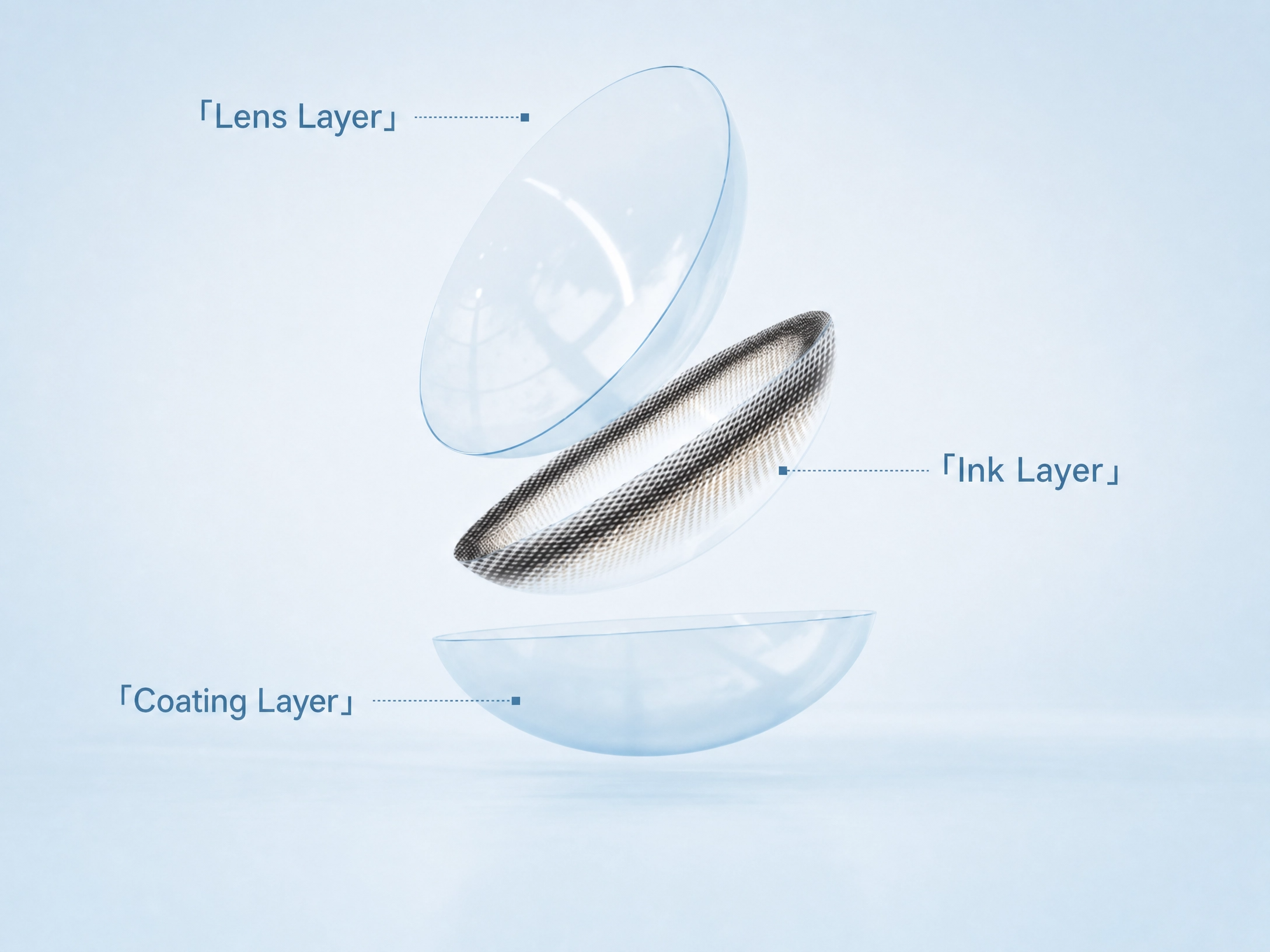
Colored lenses contain pigment layers sandwiched between the lens material or printed onto it. These pigment layers, while safe and FDA-regulated when produced by reputable manufacturers, add a small amount of thickness and slightly reduce the amount of oxygen that reaches your cornea compared to an equivalent clear lens. Your cornea has no blood vessels—it gets its oxygen directly from the air through your tear film. When a lens sits on your eye, oxygen delivery is naturally reduced, and colored lenses reduce it further.
This is why the general daily-wear recommendation for colored contacts skews slightly more conservative than for clear contacts, and why "just a few more hours" can genuinely matter.
What Happens to Your Eyes Hour by Hour
Understanding what's happening on the surface of your eye throughout the day can help you make better decisions about when to remove your lenses.
Hours 0–2: The Fresh Zone
Your lenses feel invisible. The tear film is well distributed, oxygen flow is stable, and blinking naturally refreshes the lens surface. This is when colored contacts look their most vibrant—your eyes are hydrated, and the pigment sits beautifully against a moist, reflective surface.
Hours 2–4: Peak Comfort
Most wearers report this window as the "sweet spot." Your eyes have fully adjusted to the lens, and if fit and moisture are right, you'll barely notice you're wearing anything.
Hours 4–6: Slight Changes
This is when small environmental factors start to matter. Air conditioning, screen time (which is known to significantly reduce blink rate), wind, and dry indoor heating can cause your tear film to evaporate faster than it can be replenished. You may not feel discomfort yet, but the lens is beginning to grip the eye slightly more.
Hours 6–8: The Comfort Ceiling
For most wearers, this is where the recommended wear window ends. You might notice a slight scratchiness when you blink, mild redness, or the sense that your lenses feel "heavier" than they did earlier. These are early signals—not emergencies, but signs your eyes are asking for a break.
Hours 8–10: Diminishing Returns
Wearing lenses in this window occasionally (for a wedding, a long flight, a cosplay event) is generally tolerated by healthy eyes, but it shouldn't be routine. Oxygen deprivation becomes more measurable, dryness intensifies, and the risk of micro-abrasions from a lens sticking to a dry cornea increases.
Beyond the Recommended Window: The Danger Zone
Wearing lenses well past the recommended time—especially overnight—substantially increases the risk of corneal complications, including corneal sores, infectious keratitis (such as microbial keratitis), and chronic dry eye disease.
No colored contact lens on the market is designed for 12+ hour daily wear, regardless of brand claims.
The Signs You Should Take Your Lenses Out Immediately
Not every wear session ends at hour eight. Sometimes your eyes tell you earlier. Listen when they do.
Remove your lenses immediately if you notice any of the following:
- Persistent redness that doesn't fade after blinking
- Sharp or burning pain — mild dryness is normal; pain is not
- Blurred vision that doesn't clear with a blink
- Excessive tearing or discharge
- New light sensitivity that wasn't there earlier
- A stuck sensation — the impression that something is lodged under the lens and won't move
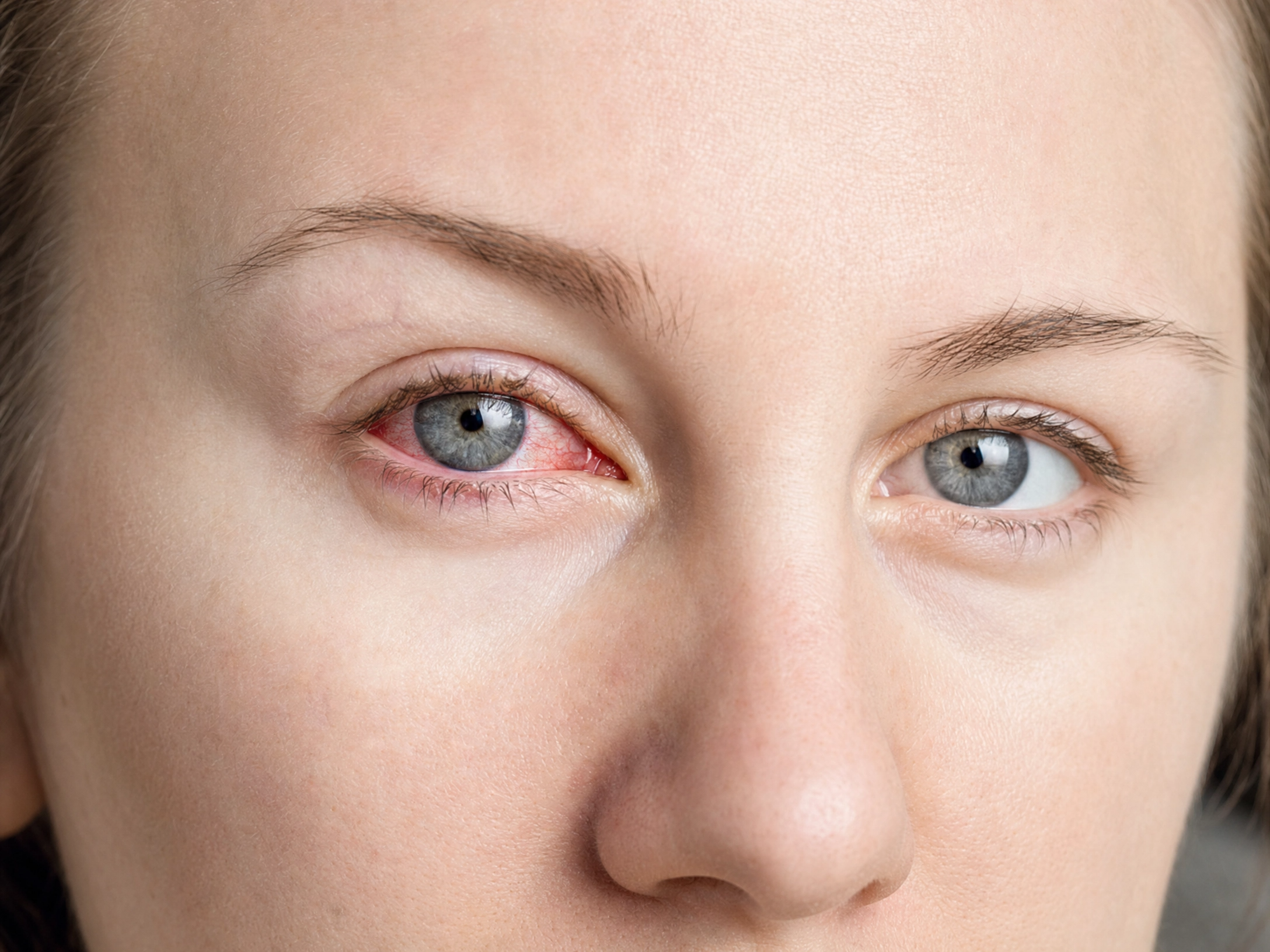
These aren't signs to push through. There are signs to remove, rest, and, if symptoms persist for more than a few hours after removal, see an eye care professional.
Factors That Shorten Your Personal Wear Window
The "8-hour rule" assumes an average wearer in average conditions. Your actual comfortable wear time may be shorter if you:
Spend long hours in front of screens. Reduced blink rate is one of the biggest hidden contributors to lens discomfort. If you work at a computer all day, expect your window to be closer to 6–7 hours.
Live in dry climates or use air conditioning heavily. Low humidity accelerates tear evaporation. Desert climates, airplane cabins, and heated indoor spaces in winter all shrink the comfortable window.
Wear eye makeup, especially mascara and eyeliner. Fibers, oils, and particles can migrate under lenses and cause irritation earlier than expected.
Have naturally dry eyes or take medications that reduce tear production. Antihistamines, certain antidepressants, and hormonal medications can all reduce tear volume.
I'm new to contact lenses. First-time wearers often experience discomfort earlier as their eyes adapt. Building tolerance takes weeks, not days.
The Occasional Long-Wear Day: Weddings, Cosplay, Travel
Sometimes life demands more than 8 hours—your wedding day, a cosplay convention, a long-haul flight, a milestone photoshoot. Here's how to handle those days without damaging your eye health.
Start hydrated. Drink water throughout the day, not just before you put in your lenses. Systemic hydration directly affects tear film quality.
Carry preservative-free rewetting drops. Apply them every 2–3 hours, more often in dry environments. Choose drops labeled specifically as safe for use with contact lenses.
Take a 15-minute break if possible. Even removing your lenses briefly, letting your eyes rest, and reinserting fresh lenses (or the same pair with proper hygiene) can reset your comfort clock.
Avoid layering the risk. If you're wearing lenses for 10+ hours, that's not the day to also pull an all-nighter, drink heavily, or wear heavy waterproof makeup. Each of these compounds strains your eyes.
Plan a recovery day. After a long-wear day, give your eyes a full 24 hours without lenses. Sleep well, hydrate, and use lubricating drops if needed.
Building a Sustainable Wear Routine
If you wear colored contacts regularly, the goal isn't to maximize the number of hours per day. It's to build a routine your eyes can sustain for years.
Aim for 5 days on, 2 days off. Give your eyes at least two full days per week without lenses. Weekends at home are perfect for this.
Alternate with glasses on shorter days. If you're only running errands or working from home, glasses give your eyes a rest without sacrificing your vision correction.
Replace lenses on schedule. Daily disposables should never be worn more than once. Monthly lenses should be replaced every 30 days, regardless of how many hours you've actually worn them. Protein and lipid buildup accumulate over calendar days, not wear hours.
Get annual eye exams. Even if your prescription hasn't changed, your eye health should be checked yearly. Early signs of contact-lens-related complications are often invisible to you but obvious to an optometrist.
Frequently Asked Questions
Can I sleep in my colored contacts for just an hour?
Even a short nap in contact lenses reduces oxygen flow to your cornea. If you feel yourself about to fall asleep, remove your lenses first. It's not worth the risk of waking up with a lens stuck to a dry eye.
Are daily disposable colored contacts safer for long wear?
Daily disposables reduce the risk of buildup and infection because you start every day with a fresh, sterile lens. However, "daily" refers to a single day of use—not extended hours. The 8-hour recommendation still applies.
What if I feel fine after wearing my contacts for 12 hours?
Feeling fine doesn't always mean your eyes are fine. Corneal hypoxia and micro-abrasions can occur in the absence of immediate symptoms and cause incremental damage over months or years. Trust the guidelines, not just how you feel in the moment.
Can I wear colored contacts every day?
You can, but it's not ideal. Many eye care professionals recommend giving your eyes at least 1–2 lens-free days per week to allow full recovery. If you must wear them daily, keep sessions under 8 hours and consider daily disposables.
What's the difference between wear time and replacement schedule?
Wear time is the number of hours per day you wear a lens. The replacement schedule is how many days you use the same lens before discarding it. Both matter independently—wearing a monthly lens for only 2 hours a day doesn't mean you can stretch it to 6 months.
Do colored contacts damage your eyes more than clear ones?
Not inherently, when produced by reputable manufacturers and worn correctly. The risks come from pigment quality (avoid non-FDA-approved lenses from unofficial sellers), fit, hygiene, and overwear—not from color itself.
The Bottom Line
Colored contacts are a beautiful way to express yourself, and when worn correctly, they can be part of your routine safely for years. The 8-hour guideline exists not to limit you, but to protect the eyes that will still need to see clearly at 40, 60, and 80.
Wear thoughtfully. Rest often. Listen when your eyes speak.
Learn More
- How to Put In Colored Contacts for Beginners
- The Best Doll Makeup Looks for 2026: 6 Dolly Lenses & How to Wear Them
- Where to Buy Colored Contacts Safely? Are AliExpress and Shein Colored Contacts Worth the Risk?
- What Colored Contacts Should You Wear for Ariana Grande Concert Makeup?
- First Time Wearing Colored Contacts? How to Put Them In Easily and Safety
- Why Do Some Colored Contacts Feel Like Nothing? The Secret to Ultra-Comfortable Lenses
References
The medical guidance in this article aligns with publicly available consumer resources from the following authoritative organizations:
- American Academy of Ophthalmology (AAO) – Contact Lens Care
- American Academy of Ophthalmology (AAO) – Colored Contacts Safety
- Centers for Disease Control and Prevention (CDC) – Contact Lenses
- American Optometric Association (AOA) – Contact Lenses
Disclaimer
This article is for informational purposes only and is not medical advice. Every wearer's eyes are different—consult a licensed eye care professional before starting or changing your contact lens routine. If you experience discomfort, remove your lenses and seek medical care. Purchase colored contacts only from regulated, authorized sellers.
Comment