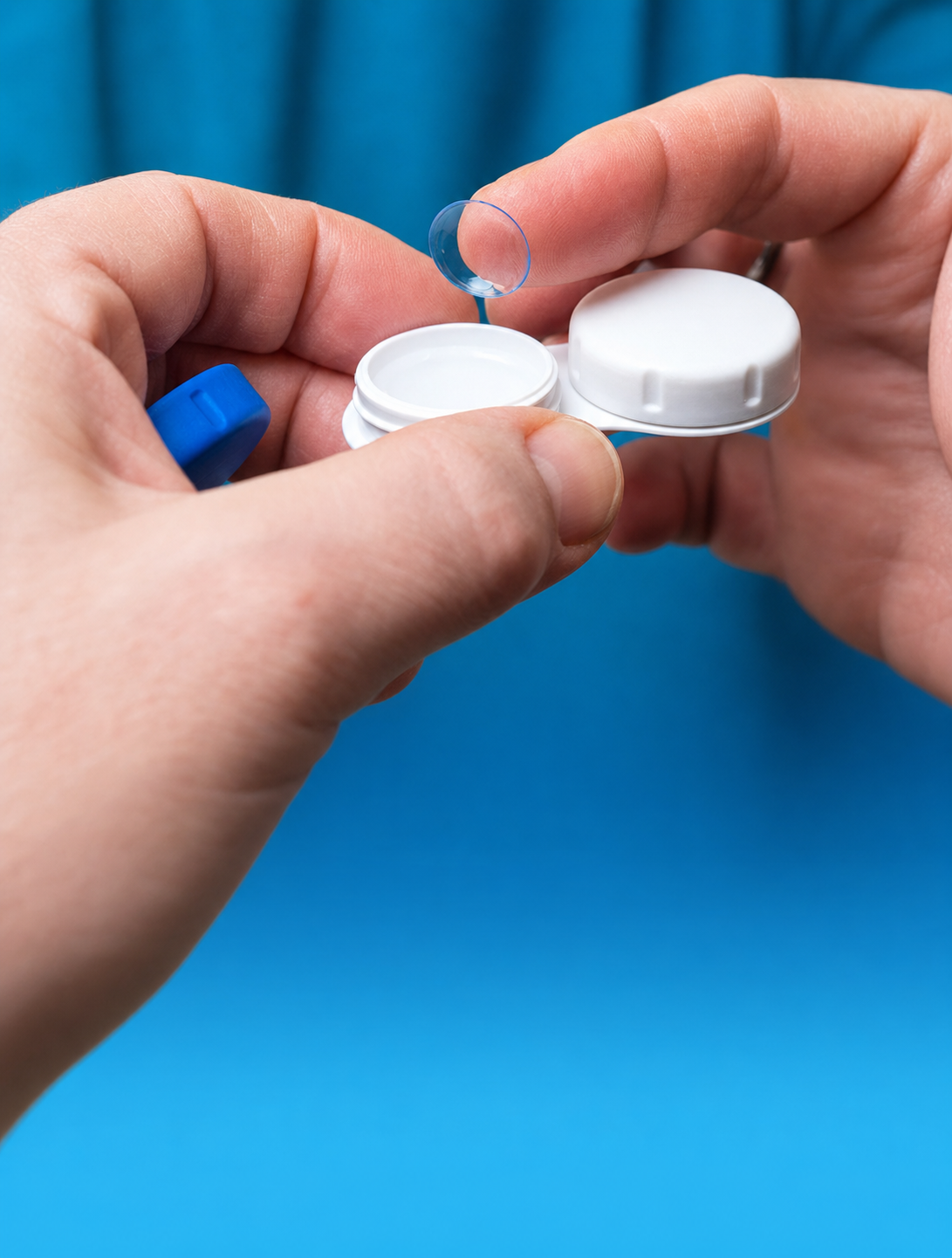
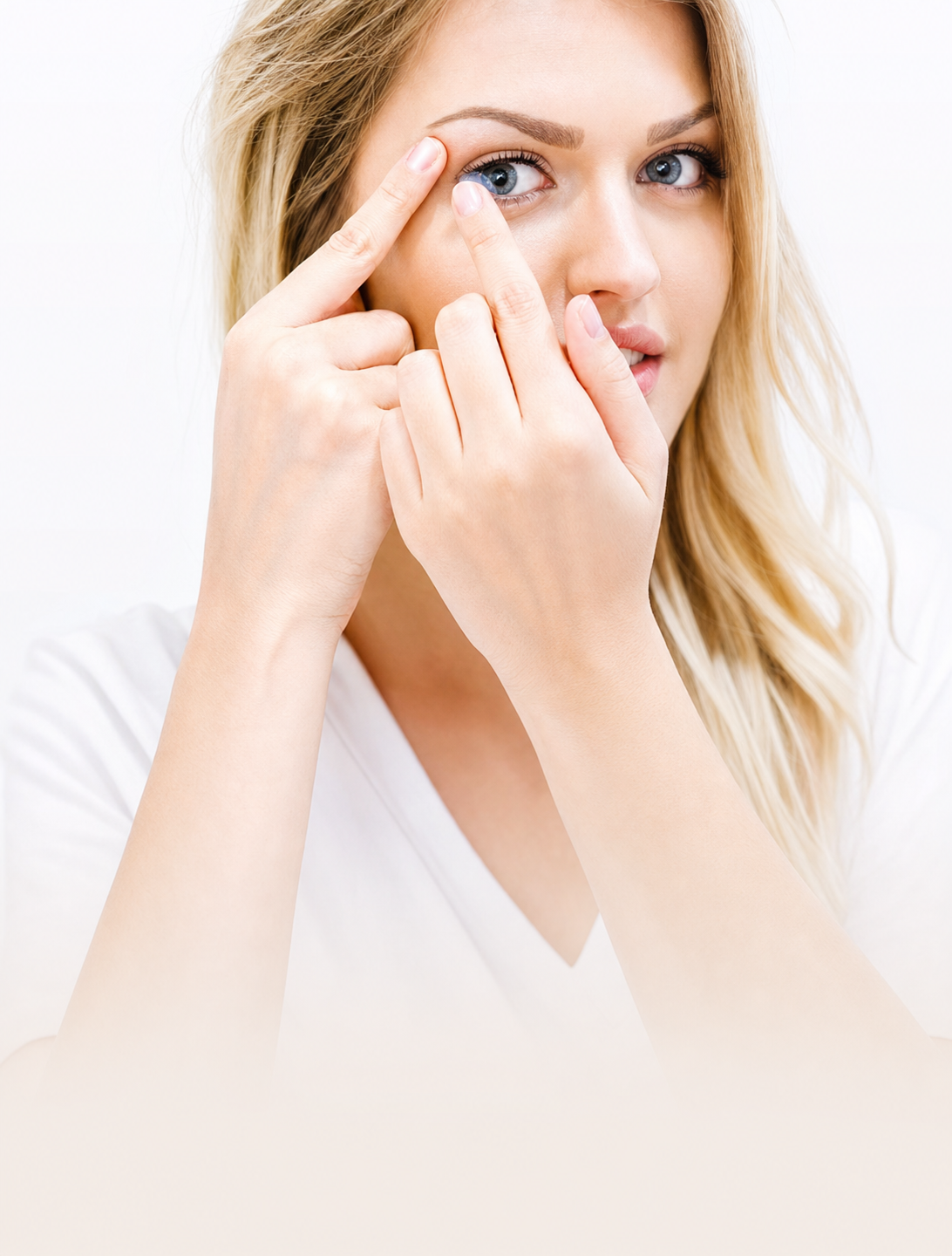
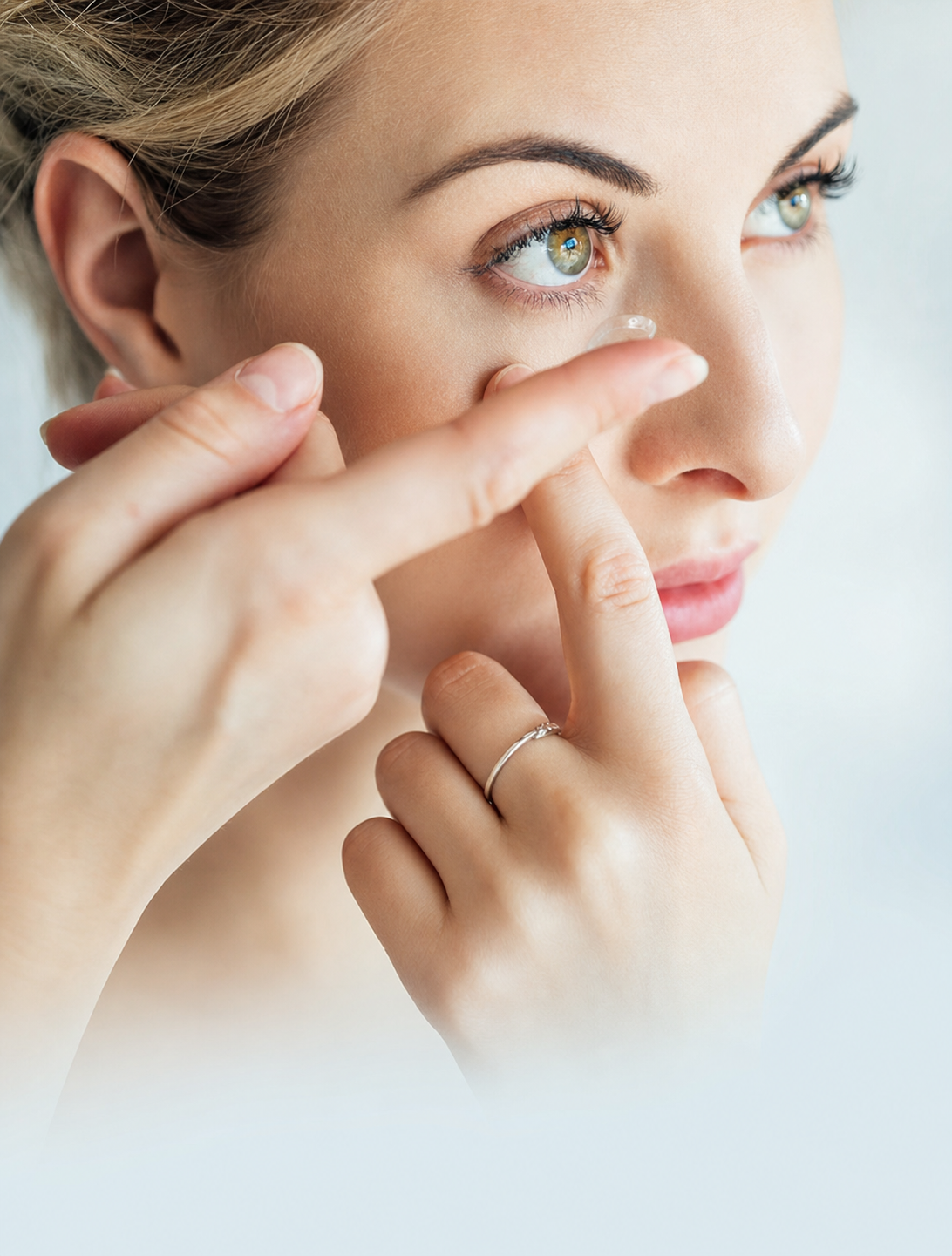
Can I Sleep With Colored Contacts? Why You Should Think Twice
Jul 08,2026 | EYEVOS
Can I Sleep With Colored Contacts? Why You Should Think Twice
The Short Answer
No, you should not sleep or nap in colored contact lenses, not even for 20 minutes.
Colored lenses are FDA-classified medical devices approved only for daily wear. The pigment layer that makes your eyes look brown, gray, or hazel also blocks oxygen from reaching your cornea — and when your eyes are closed, that oxygen shortage becomes serious fast.
But if you've already fallen asleep in them (a lot of people have), don't panic. Scroll down to "What to do if you already slept in them" first — we'll walk you through it, calmly.
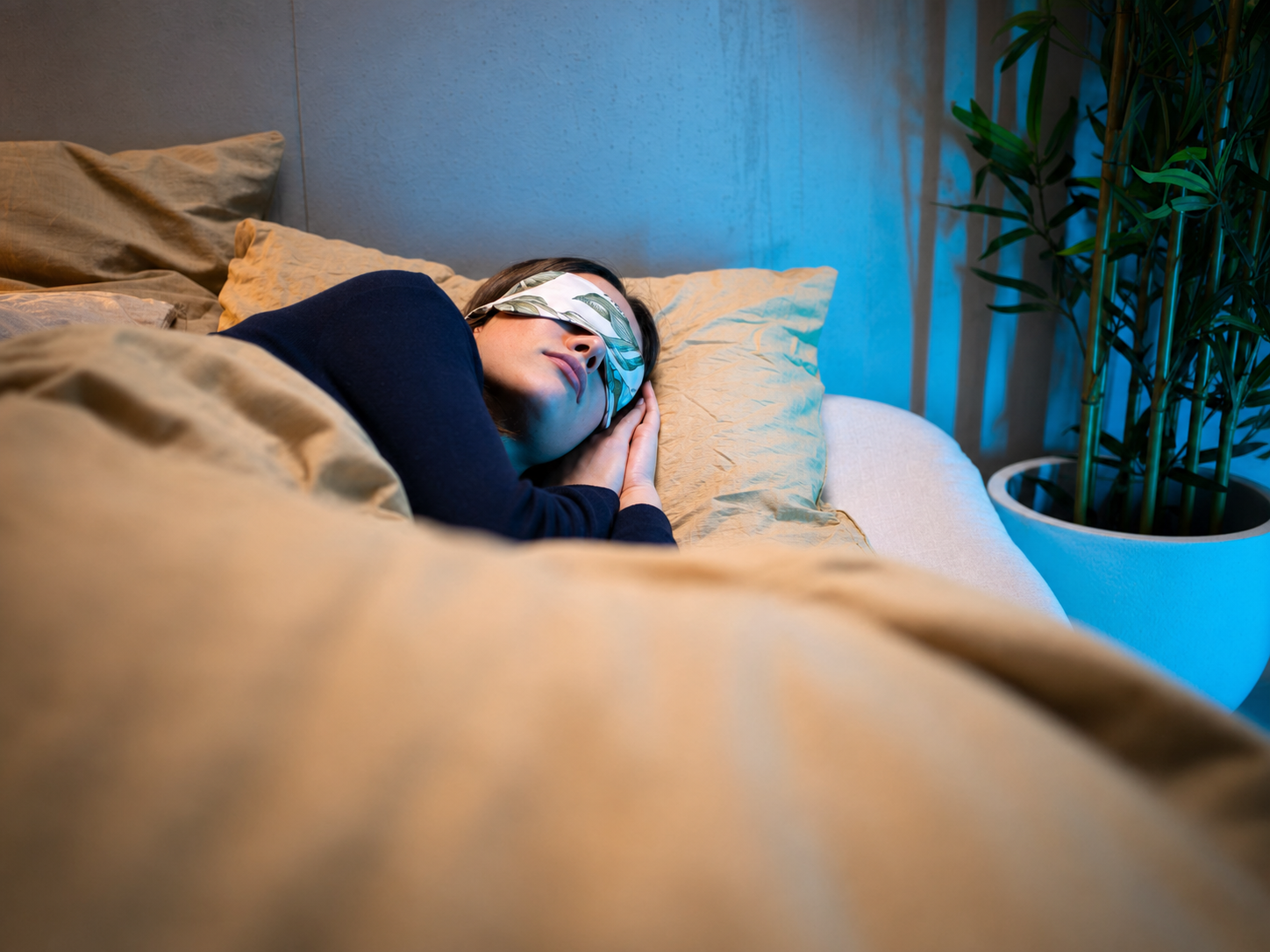
Can You Sleep in Colored Contacts, Even for a Nap?
No. Any amount of sleep with colored contacts in — from a 20-minute nap to a full night — puts your eyes at risk. The risk scales with time, but it begins the moment your eyes close.
What really counts as "sleeping in them"?
More than you'd think. Dozing off on the couch while a show plays counts. A 20-minute power nap counts. Waking up on someone else's sofa still wearing yesterday's lenses counts. If your eyes were closed for long enough that you didn't blink normally, the risk clock started.
Why "just a nap" isn't safe either
Two things happen the moment you close your eyes: your blink rate drops to zero, and the space between your lens and cornea loses its usual oxygen transfer. With colored contacts — where a pigment layer already reduces how much oxygen passes through — that closed-eye environment tips quickly from "not ideal" to "actively stressful for the cornea."
A rough time-risk reference
- Under 30 minutes — low but non-zero risk. Rehydrate, remove gently, monitor.
- 1 to 4 hours — moderate risk. Your eyes need at least a full rest day in glasses.
- 6+ hours (overnight) — high risk. Watch closely for symptoms in the next 48 hours; consider a professional check-in even if you feel fine.
One TikTok user described it plainly:
"I fell asleep for maybe 4 hours with them in, and when I woke up, I ripped off part of my cornea with the contact."
The scary part isn't that this is rare — it's that the person telling the story usually didn't feel much wrong right before it happened.
What Should I Do If I Already Slept in My Colored Contacts?
Don't yank them out. Rehydrate first, blink slowly, and remove gently. Then give your eyes a full 24-hour rest in glasses. Watch for warning symptoms over the next 48 hours.
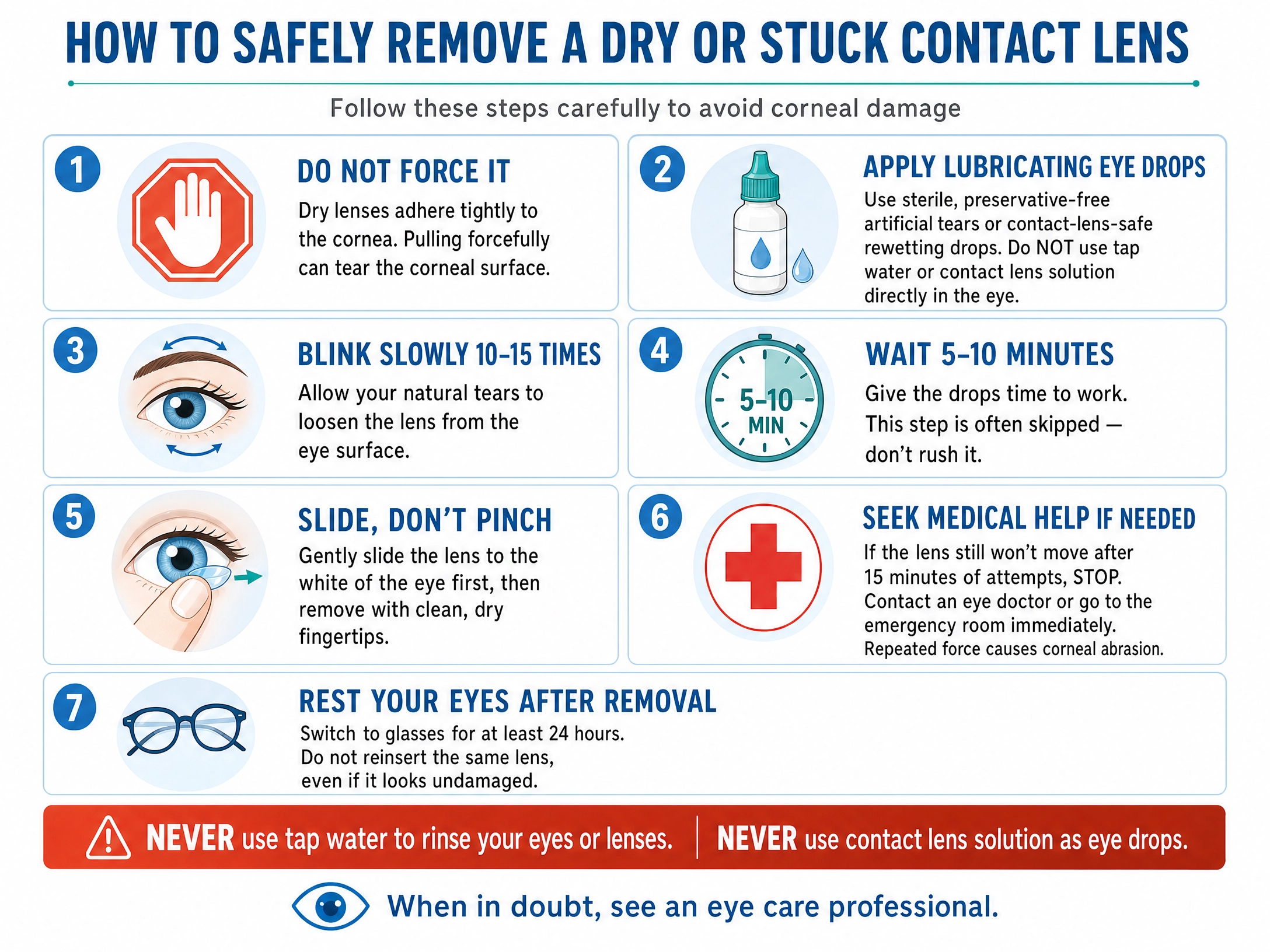
Here's the step-by-step:
- Don't pull immediately. Dry lenses can adhere to the cornea and tear the surface on removal.
- Rewet the lens. Use sterile preservative-free artificial tears or contact lens rewetting drops.
- Do not put contact solution directly in your eye.
- Do not use tap water.
- Blink slowly, 10–15 times. Let your natural tears loosen the seal.
- Wait 5–10 minutes. Give the drops time to work — this is the step people skip.
- Slide, don't pinch. Move the lens off the pupil onto the white of your eye first, then remove it with clean hands.
- If it still won't move after 15 minutes — stop trying. Call an eye care professional or head to urgent care. Repeated attempts risk corneal abrasion.
- After removal — switch to glasses for at least 24 hours. Do not reinsert the same pair, even if it "seemed fine."
What NOT to do
- Don't use cotton swabs to pry the lens off
- Don't put contact solution or saline into your eye directly
- Don't rub or squeeze your eyelids to force the lens out
- Don't reinsert the same lens "just to check"
A Reddit post by someone in exactly this situation:
"I tried using two Q-tips to remove it and massaging my eye, but nothing is working pls help"
Please don't be that person. The lens will come out — but only if you slow down, rehydrate, and let it float free on its own.
Why Are Colored Contacts Riskier Than Clear Ones When You Sleep?
Colored contacts contain a pigment layer that reduces oxygen flow to the cornea. Unlike some clear silicone hydrogel lenses approved by the FDA for extended wear, no colored contact lens is currently FDA-approved for overnight use.
What is the pigment layer?
The color you see isn't just dye floating in the lens material. In quality colored lenses, pigment is sandwiched between two layers of lens material (sometimes called "sandwich technology") or printed on the surface. Either way, it adds a physical barrier that clear lenses don't have.
Why oxygen matters (and why sleep makes it worse)
Your cornea has no blood vessels. It gets oxygen directly from the air. When you're awake and blinking, tears carry oxygen across the lens to your eye. When you sleep:
- Your eyelids close, cutting off most airflow
- Your blink rate stops, so tears don't circulate
- The lens sits pressed against your cornea for hours
Add a pigment layer on top of that — which reduces oxygen transmissibility (measured as Dk/t) — and you've stacked three barriers between your cornea and the air it needs.
"Extended wear" clear lenses are not the same as colored lenses.
This is the single most misunderstood fact about contacts:
- Some clear silicone-based hydrogel lenses are FDA-approved for up to 30 days of continuous wear when prescribed by a doctor.
- No colored contact lens — including circle lenses, cosplay lenses, prescription-tinted lenses, or high-end brands — is FDA-approved for overnight wear.
You may have seen advice like this on TikTok:
"Get the night and day contacts. They're approved to be worn for 30 days."
The person meant well. But those lenses are clear extended-wear lenses. That approval does not extend to any colored version, and mixing up the two categories has landed real people in emergency rooms.
What Actually Happens to Your Eyes When You Sleep in Colored Contacts?
Closing your eyes with colored lenses creates a low-oxygen, warm, moist environment — ideal for bacterial growth, and stressful for the cornea. Here are the five most common things that go wrong.
1. Corneal hypoxia (oxygen starvation)
Your cornea swells, sometimes warps, and your vision blurs. Mild cases resolve with rest. Repeated cases can permanently change how your cornea refracts light.
2. Increased infection risk
According to the American Academy of Ophthalmology, sleeping in contact lenses raises your risk of eye infection by six to eight times. That includes bacterial keratitis and — in rare but devastating cases — Acanthamoeba keratitis, an infection so aggressive it can require corneal transplant.
3. Corneal lesions
An ulcer is an open sore on the cornea. They're painful, they can scar permanently, and they often start with symptoms mild enough to ignore for a day — until they aren't.
4. Corneal neovascularization
When your cornea is chronically starved for oxygen, your body tries to help by growing new blood vessels into an area that's supposed to be perfectly clear. Once those vessels are there, they don't leave.
5. Lens adhesion
Without tears to lubricate it, a dried-out lens can suction to your cornea overnight. Removing it forcefully can tear the epithelial layer — which is exactly what this TikTok user in §1 described.
A retinal specialist put it this way in a widely shared video:
"I literally had a patient lose vision in their eye and had to get injections in their eyeball twice a week for months… All because of her contacts."
Not every incident goes this far. But the possibility is real enough that eye doctors keep saying it.
"But I've Slept in Mine for Months and Nothing Happened" — Why That's a Dangerous Assumption
Eye damage from sleeping in contacts is usually cumulative, not immediate. "Nothing happened yet" often means "nothing has happened yet that you can feel."
Survivorship bias, gently explained
The people posting "I've done this for years, I'm fine" are, by definition, the ones who haven't had a problem yet. The people who did have a problem are mostly not on the TikTok platform anymore — they're at follow-up appointments, or they've quietly stopped wearing lenses altogether. Both stories exist. You're just far more likely to see one of them.
What your eye doctor sees that you don't
Early-stage neovascularization is invisible to the mirror. Chronic dry eye develops so gradually that most people mistake it for "just tired eyes." Mild corneal thinning shows up on a slit-lamp exam long before it shows up in your vision.
One TikTok comment captures this quietly:
"I did this for a couple months, never got an infection, but I don't do it anymore — now I have severe dry eye."
And from another user, honest about the risk:
"My eyes look great — that probably won't always be the case if I don't stop doing that."
The pattern eye doctors see, over and over: years of "no problem" → one infection → permanent change. The years of no problem don't cancel out that one incident. They just made it feel unlikely, right up until it happened.
When Should I See an Eye Doctor After Sleeping in My Contacts?
If you experience pain, redness that doesn't fade, blurred vision, light sensitivity, or discharge — see an eye care professional the same day. Some symptoms escalate within 24 to 48 hours, so timing matters.
Here's a rough triage:
Usually okay to monitor at home (still switch to glasses for 24 hours)
- Mild dryness or slight scratchiness that fades within an hour
- Slight redness that clears quickly
- Mild blurriness that resolves after removing the lens
Contact your eye doctor within 24 hours if
- Redness lasting more than a few hours
- Persistent feeling of "something in the eye"
- Increased light sensitivity
- Mild but ongoing blurred vision
Seek same-day or urgent care immediately if
- Sharp or severe pain
- Vision loss or significant blur
- Thick discharge (yellow or green)
- Extreme light sensitivity
- A lens that's stuck and won't come out after 15+ minutes of gentle attempts
- A visible white or gray spot on your cornea
Trust the red column. Corneal infections are one of the situations where "wait and see" is genuinely the wrong call.
How Do I Build a Nightly Habit So This Doesn't Happen Again?
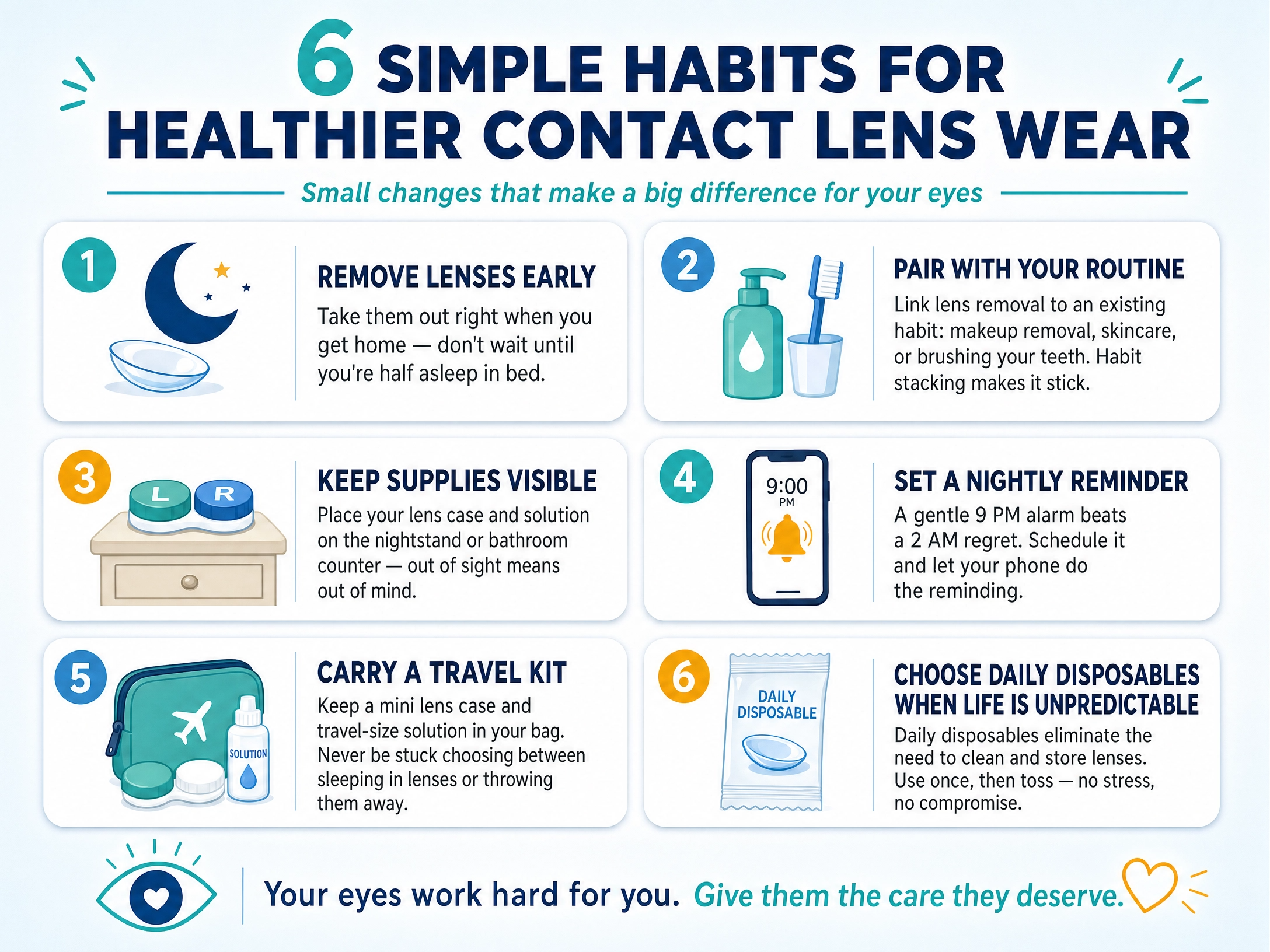
The easiest way to stop sleeping in your contacts isn't willpower — it's environment design. Move lens removal earlier in your night, tie it to something you already do, and make the tools visible.
A few small shifts that work
- Remove before your evening settles down. Take them out when you get home from work or from going out — not when you're already in bed and half-asleep.
- Bundle with an existing habit. Pair lens removal with makeup removal, skincare, or brushing your teeth. Habits that ride on top of other habits stick.
- Keep your case and solution visible. Bedside table, bathroom counter, wherever you actually end up at night. Out of sight is out of mind.
- Set a "lens curfew" alarm. A soft 9pm reminder is easier than a 2am regret.
- Have a backup for late nights out. A small case and travel bottle of solution in your bag means you're never stuck between "sleep in them" and "throw them away."
- Consider daily disposables when your schedule is unpredictable. One-day lenses take the "should I clean these or toss them?" decision off the table entirely.
![]()
A quiet ritual is easier than a strict rule
Taking your lenses out doesn't have to feel like a chore. For a lot of people, it becomes one of the small evening gestures that says the day is done — a moment of coming back to your own eyes.
That's the philosophy behind EYEVOS: colored contacts designed around a full daily rhythm. Put them on when your day begins. Take them off when it winds down. How you end the day matters as much as how you start it.
Are There Any Colored Contacts I Can Sleep In?
No. As of today, no colored, decorative, or cosmetic contact lens is FDA-approved for overnight or extended wear. If someone tells you otherwise — including a seller or a comment thread — that information is not accurate.
What "extended wear" actually means
Extended-wear approval applies only to specific, clear silicone-based hydrogel lenses, prescribed by a doctor, for people whose eyes tolerate them. That approval was never granted to any colored version, largely because the pigment layer changes the lens's oxygen profile enough that overnight safety can't be guaranteed.
What about Ortho-K?
Orthokeratology lenses are a completely different category — rigid lenses worn overnight to reshape the cornea for daytime clear vision. They're prescribed only, not cosmetic, and not colored. If overnight vision correction is your goal, that's a conversation to have with an eye care professional.
The Final Takeaway
Colored contacts are made for the hours you're awake — not the hours you're asleep. Sleeping in them, even accidentally, puts real pressure on your cornea, and the damage is often invisible until it isn't.
If you already did, don't panic — rehydrate, remove gently, rest your eyes. If you do it often, don't shame yourself — just move lens removal earlier into your night, and make the case easy to reach.
Three lines to remember:
- No sleep, no naps — colored lenses are daily wear only.
- If you already did — rewet, blink, remove gently, rest 24 hours, watch for symptoms.
- Build the ritual — remove early, bundle with skincare, keep supplies visible.
FAQ
Can I sleep in colored contacts for just one hour?
It's still not recommended. Even short naps reduce oxygen to the cornea and can cause lens adhesion. If it happens once, rehydrate before removing and rest your eyes for the day.
What happens if I fall asleep in my Halloween or cosplay contacts?
Cosmetic and costume lenses fall under the same FDA classification as other colored contacts — they're daily wear only. Falling asleep in them carries the same risks, sometimes higher if the lens quality is unknown.
Can I sleep in colored contacts if they're brand new?
No. "New" doesn't change how much oxygen the lens blocks. The pigment layer is present in every colored lens, regardless of freshness or brand.
Are daily disposable colored contacts safer to sleep in?
No. "Daily disposable" refers to how often you replace the lens, not whether you can sleep in it. Daily lenses are meant to be worn once, during waking hours only, and discarded.
My eye feels fine in the morning — do I still need to take a break?
Yes. Feeling fine doesn't mean your cornea wasn't stressed. Give your eyes at least 24 hours in glasses, and watch for delayed symptoms like redness, blur, or sensitivity to light.
Can sleeping in colored contacts cause permanent damage?
Yes. Corneal lesions, scarring, and infections like Acanthamoeba keratitis can lead to permanent vision changes. Most incidents are cumulative — one nap likely won't blind you, but a repeated habit considerably increases risk.
What's the difference between "extended wear" and colored contacts?
Extended-wear lenses are clear silicone-based hydrogel lenses specifically FDA-approved for overnight use under a doctor's supervision. Colored contacts do not come in an FDA-approved extended-wear version.
Can I nap in colored contacts if I set an alarm?
It's still not recommended. Even short closed-eye periods reduce oxygen and tear film movement. If a nap is unplanned, follow the removal steps in §2 when you wake up.
Learn More
- How to Put In Colored Contacts for Beginners
- The Best Doll Makeup Looks for 2026: 6 Dolly Lenses & How to Wear Them
- Where to Buy Colored Contacts Safely? Are AliExpress and Shein Colored Contacts Worth the Risk?
- What Colored Contacts Should You Wear for Ariana Grande Concert Makeup?
- First Time Wearing Colored Contacts? How to Put Them In Easily and Safety
- Why Do Some Colored Contacts Feel Like Nothing? The Secret to Ultra-Comfortable Lenses
- Can I Wear Colored Contacts All Day? What 8+ Hours Actually Feels Like
- What If You Were Invited to the Wedding of the Century? A Guide to Guest-Worthy Eyes
- Do Colored Contacts Show Up on Dark Eyes? Here's What to Look For
- What Color Contacts Are Best for Brown Eyes? A Guide for Natural and Bold Looks
References
- FDA — Decorative Contact Lenses: Decorative Contact Lenses for Halloween and More
-
CDC — Corneal Infections Associated with Sleeping in Contact Lenses — Six Cases, United States, 2016–2018
-
American Academy of Ophthalmology — How long will it take for treatment to clear up an eye infection from contact lenses?
-
American Optometric Association — Contact Lens Care
Disclaimer
This article is for general educational purposes and does not replace advice from a licensed eye care professional. If you experience eye pain, redness, discharge, light sensitivity, or vision changes after wearing contact lenses, please consult an eye doctor promptly. Individual circumstances vary — always follow the guidance of your prescribing optometrist or ophthalmologist.
Comment